
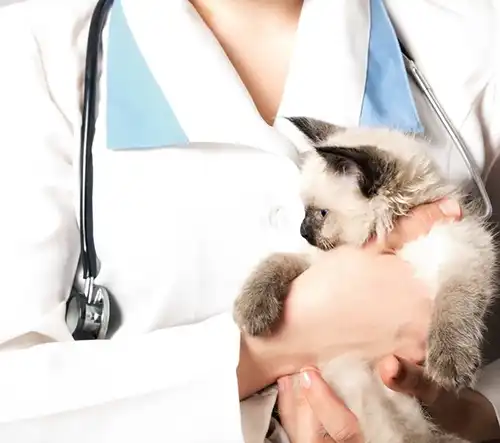


Has your pet ever growled, snapped, or behaved in a way that felt out of character? Aggression can be unsettling, especially when it appears suddenly or without an obvious cause. At Aloha Animal Hospital, your trusted Las Vegas, NV veterinary clinic, we help pet owners understand aggression in pets and navigate these situations with confidence and care. Our veterinarians proudly serve families throughout Las Vegas, NV and Southwest Las Vegas, NV, offering personalized guidance to support both safety and long-term behavioral health.
Aggression in pets can stem from a variety of factors, ranging from fear and anxiety to underlying medical conditions. Recognizing dog aggression warning signs, understanding cat aggression causes, and learning why pets become aggressive are essential steps in addressing the behavior. Knowing when to seek help for pet aggression can make a meaningful difference in protecting your pet’s well-being and maintaining a safe, harmonious home.
What Is Aggression in Pets?
Aggression is a form of communication. When your pet displays aggressive behavior, they are often responding to a perceived threat, discomfort, or stressor.
It is important to understand that aggression in pets is not about dominance or defiance. Instead, it is typically a reaction driven by fear, pain, or instinct. Identifying the underlying cause is key to addressing the behavior effectively.
Both dogs and cats can display aggression, although the triggers and expressions may differ.
Dog Aggression Warning Signs to Watch For
Recognizing early warning signs allows you to intervene before behavior escalates.
Subtle Signs of Aggression
Dog aggression warning signs often begin with subtle cues such as:
- Stiff body posture
- Avoiding eye contact or excessive staring
- Raised hackles
- Low growling
These early signals indicate that your canine companion is feeling uncomfortable or threatened.
Escalating Behavior
If the situation continues, behavior may escalate to snapping or biting. Understanding these signals helps you respond appropriately and avoid increasing your pet’s stress.
Early recognition is one of the most effective ways to prevent serious incidents.
Cat Aggression Causes and Behaviors
Cats express aggression differently than dogs, and their behavior can sometimes be misunderstood.
Common Triggers in Cats
Cat aggression causes often include fear, overstimulation, territorial behavior, or redirected frustration. Your feline companion may lash out if they feel cornered or overwhelmed.
Even routine interactions, such as petting, can sometimes trigger a response if your cat becomes overstimulated.
Recognizing Feline Warning Signs
Before acting aggressively, cats may show warning signals such as tail flicking, flattened ears, or sudden changes in posture.
Understanding these cues allows you to give your feline friend space and prevent escalation.
Why Pets Become Aggressive
Understanding why pets become aggressive is essential for addressing the behavior at its source.
Fear and Anxiety
Fear is one of the most common causes of aggression. Pets may react defensively when they feel threatened or uncertain.
Changes in environment, unfamiliar people, or past experiences can all contribute to anxiety-driven behavior.
Pain or Medical Issues
Aggression in pets is sometimes linked to underlying health concerns. Pain can make even the most gentle pet react defensively.
If your pet suddenly becomes aggressive, it is important to consider whether a medical issue may be contributing.
Resource Guarding
Some pets display aggression when protecting food, toys, or space. This behavior, known as resource guarding, is rooted in instinct.
Proper training and guidance can help manage this behavior effectively.
When to Seek Help for Pet Aggression
Knowing when to seek help for pet aggression is critical for both safety and your pet’s well-being.
Signs That Require Professional Attention
You should contact your veterinary clinic if your pet:
- Shows sudden or unexplained aggression
- Displays escalating or frequent aggressive behavior
- Causes injury to people or other animals
- Appears to be in pain or distress
These situations require professional evaluation to determine the underlying cause.
The Importance of Early Intervention
Addressing aggression early can prevent the behavior from becoming more severe. A veterinarian can assess your pet’s health and recommend appropriate next steps.
At Aloha Animal Hospital, we take a comprehensive approach to evaluating aggression, considering both medical and behavioral factors.
How to Manage Aggression in Pets
Managing aggression requires patience, consistency, and a clear understanding of your pet’s needs.
Creating a Safe Environment
Reducing stressors in your pet’s environment can help prevent aggressive behavior. This may include providing quiet spaces and avoiding situations that trigger anxiety.
Your pet will feel more secure in a predictable and calm environment.
Positive Reinforcement Training
Training based on positive reinforcement encourages desirable behavior without increasing fear or stress. Rewarding calm and appropriate actions helps build confidence.
Avoid punishment-based approaches, as they can worsen anxiety and aggression.
Professional Guidance
In some cases, working with a veterinarian or behavior specialist is the most effective way to address aggression. A tailored plan can help you manage behavior safely and effectively.
Supporting Long-Term Behavioral Health
Your pet’s emotional well-being is just as important as their physical health. By understanding aggression in pets and addressing it thoughtfully, you can help your pet feel more secure.
Consistency, patience, and professional support all play a role in creating a positive environment where your pet can thrive.
Building trust with your pet is key to reducing fear and encouraging balanced behavior.
You can also read more about kitty aggression on PetMD. PetMD has an article about Fido’s body language here. The ASPCA also wrote about canine aggression in this blog, which you can read here.
FAQs About Aggression in Pets
What are the early signs of aggression in pets?
Early signs of aggression in pets include growling, stiff posture, and avoidance behaviors. Recognizing these signals can help prevent escalation.
Why do pets become aggressive?
Pets may become aggressive due to fear, anxiety, pain, or instinctual behaviors such as resource guarding. Identifying the cause is essential for effective management.
Are dog aggression warning signs always obvious?
No, dog aggression warning signs can be subtle at first. Paying attention to body language can help you recognize early cues.
What are common cat aggression causes?
Cat aggression causes include fear, overstimulation, and territorial behavior. Understanding triggers helps reduce the likelihood of aggressive responses.
When should I seek help for pet aggression?
You should seek help if aggression is sudden, frequent, or causes injury. A veterinarian can evaluate your pet and recommend appropriate care.
Visit Our Las Vegas, NV Veterinary Clinic for Behavioral Support
If your pet is showing signs of aggression, you do not have to manage it alone. At Aloha Animal Hospital, your trusted Las Vegas, NV animal hospital, we are here to help you understand aggression in pets and develop a plan that supports your pet’s safety and well-being. We proudly serve pets throughout Las Vegas, NV and Southwest Las Vegas, NV, offering compassionate care tailored to each individual pet.
If you are searching for a dependable vet near me, our experienced team is ready to assist you. Contact our veterinary clinic today to schedule an appointment and take the first step toward a calmer, more balanced relationship with your pet.
This blog is intended for informational purposes only. Always consult with your veterinarian for appropriate medical advice, diagnosis, and treatment plan for your pet.
Are you looking for a great veterinarian in Las Vegas or Southwest Las Vegas? Do you want to learn more about Aloha Animal Hospital? Visit our Service page for an overview of who we are and the services we provide. Our animal clinic offers a wide variety of services, including Exotic Pet Care, Acupuncture and Alternative Medicine, and Urgent Care, as well as standard veterinary services like Wellness and Vaccinations and Nutrition and Weight Management.


!Social Media Icons