
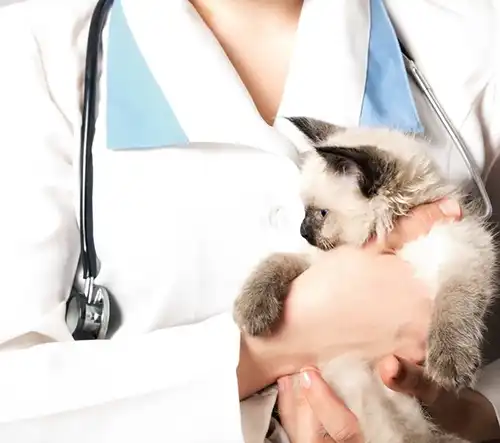


Caring for an exotic pet comes with unique responsibilities, especially when it comes to veterinary care. Whether you have a reptilian companion, a feathered friend, or a small mammal like a sugar glider or hedgehog, knowing what to expect during an exotic pet vet visit can help you feel more prepared and confident. At Aloha Animal Hospital, your trusted Las Vegas, NV veterinary clinic, we provide specialized care for a wide range of species. Our veterinarians proudly serve pets throughout Las Vegas, NV and Southwest Las Vegas, NV, offering thoughtful, individualized attention for every unique patient.
An exotic pet vet visit is different from a traditional dog or cat appointment. Understanding the process of taking exotic pets to vet appointments, learning what to expect exotic vet visit procedures involve, and following essential exotic animal vet care tips can help reduce stress for both you and your pet. Whether it is your first visit exotic pet vet experience or a routine checkup, preparation plays a key role in ensuring a smooth and successful appointment.
What Is Considered an Exotic Pet?
Exotic pets include a wide range of animals that fall outside of traditional cats and dogs. These pets often have specialized needs that require advanced knowledge and experience.
Common exotic pets include:
- Reptiles such as snakes, lizards, and turtles
- Birds, including parrots and smaller species
- Small mammals like guinea pigs, ferrets, and hedgehogs
- Sugar gliders and other unique companions
Each species has distinct health requirements, which is why working with a veterinary clinic experienced in exotic care is essential.
Why Exotic Pets Need Specialized Veterinary Care
Exotic animals have unique anatomy, physiology, and behavior patterns that differ significantly from dogs and cats. This makes specialized care especially important.
Unique Health Needs
Your scaled pal or feathered companion may require specific environmental conditions, diets, and handling techniques to remain healthy. Even small deviations can lead to noticeable health concerns.
Veterinarians trained in exotic care understand these nuances and can provide guidance tailored to your pet’s species.
Subtle Signs of Illness
Exotic pets often hide signs of illness, which can make early detection more challenging. By the time symptoms are visible, the condition may already be advanced.
This is one of the reasons regular exotic pet vet visits are so important.
Preparing for Your Exotic Pet Vet Visit
Proper preparation can make a significant difference in the success of your appointment.
Transporting Your Pet Safely
One of the most important exotic animal vet care tips is ensuring safe and appropriate transport. Use a secure carrier that is well-ventilated and suited to your pet’s species.
For reptiles, maintaining proper temperature during travel is essential. For birds and small mammals, minimizing stress through quiet and stable conditions is key.
Bringing Important Information
When taking exotic pets to vet appointments, it is helpful to bring:
- Details about your pet’s diet and feeding schedule
- Information about their habitat and environment
- Any recent changes in behavior or appetite
This information helps your veterinarian make accurate assessments and recommendations.
What to Expect During an Exotic Vet Visit
Understanding what exotic vet visit procedures involve can help you feel more at ease.
Comprehensive Health Evaluation
During the appointment, your veterinarian will perform a thorough physical exam tailored to your pet’s species. This may include evaluating body condition, skin or scales, feathers, and overall behavior.
Because exotic pets can be sensitive, the exam is conducted with care and precision to minimize stress.
Discussion of Husbandry and Care
A significant portion of the visit often involves discussing your pet’s environment, diet, and daily routine. These factors play a major role in your pet’s health.
Your veterinarian may suggest adjustments to improve your pet’s well-being and prevent future issues.
The Importance of a First Visit Exotic Pet Vet Appointment
Your first visit exotic pet vet appointment sets the foundation for your pet’s long-term health.
Establishing a Baseline
An initial visit allows your veterinarian to establish a baseline for your pet’s health. This makes it easier to detect changes over time.
Early visits also provide an opportunity to identify any potential concerns before they become more serious.
Building a Relationship with Your Vet
Developing a relationship with your veterinary team is especially important for exotic pet owners. Having a trusted resource ensures that you have guidance when questions or concerns arise.
At Aloha Animal Hospital, we prioritize building lasting relationships with both pets and their owners.
Common Health Concerns in Exotic Pets
While each species has unique needs, there are some common health concerns that veterinarians frequently address.
Nutritional Imbalances
Improper diet is one of the most common issues seen in exotic pets. Each species requires a carefully balanced diet to maintain health.
Your veterinarian can provide detailed recommendations to support proper nutrition.
Environmental Factors
Habitat conditions such as temperature, humidity, and lighting are critical for many exotic pets. Inadequate conditions can lead to a range of health problems.
Regular checkups help ensure that your pet’s environment is meeting their needs.
Reducing Stress for Your Exotic Pet
Exotic pets can be more sensitive to stress than traditional pets, making it important to create a calm experience.
Gentle Handling and Familiarity
Handling your pet gently and consistently can help them become more comfortable with human interaction. Bringing familiar items, such as bedding or toys, can also provide reassurance during travel.
Minimizing Environmental Stress
Keeping noise levels low and avoiding sudden movements can help reduce anxiety during your visit. These small steps can make a significant difference in your pet’s comfort.
Spruce Pets has an article on exotic pets here. The Royal Society For The Prevention of Cruelty to Animals has an article on caring for reptiles and exotics here.
FAQs About Exotic Pet Vet Visits
What should I expect during an exotic pet vet visit?
An exotic pet vet visit typically includes a thorough physical exam, discussion of diet and habitat, and recommendations tailored to your pet’s species.
How do I prepare for taking exotic pets to vet appointments?
Prepare by using a secure carrier, maintaining appropriate temperature, and bringing details about your pet’s care and behavior.
Why is a first visit exotic pet vet appointment important?
The first visit helps establish a health baseline and allows your veterinarian to identify potential concerns early.
Are exotic pets harder to care for than dogs or cats?
Exotic pets have specialized needs, but with proper knowledge and veterinary support, they can thrive.
How often should exotic pets see a vet?
The frequency of visits depends on the species and individual needs, but regular checkups are recommended to monitor health.
Schedule Your Exotic Pet’s Visit at Our Las Vegas, NV Veterinary Clinic
Providing the right care for your exotic pet starts with choosing a veterinary team that understands their unique needs. At Aloha Animal Hospital, your trusted Las Vegas, NV animal hospital, we are proud to offer specialized care for a wide range of species. We serve pets throughout Las Vegas, NV and Southwest Las Vegas, NV, delivering thoughtful, personalized care for every patient.
If you are searching for a knowledgeable vet near me who can care for your exotic companion, our experienced team is here to help. Contact our veterinary clinic today to schedule an appointment and ensure your pet receives the attention they deserve.
This blog is intended for informational purposes only. Always consult with your veterinarian for appropriate medical advice, diagnosis, and treatment plan for your pet.


!Social Media Icons