
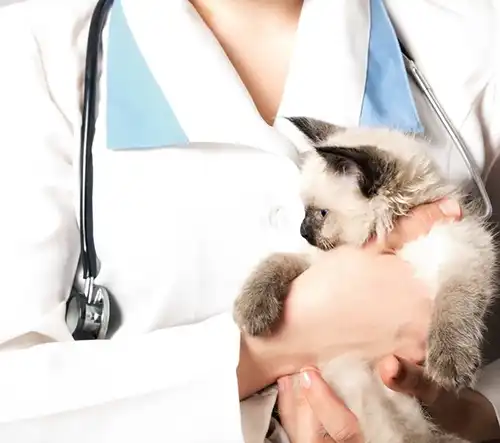


It can be unsettling when your cat suddenly turns away from food, especially if they are usually eager at mealtime. At Aloha Animal Hospital, your trusted Las Vegas, NV veterinary clinic, we often help pet owners understand why a cat not eating can signal anything from a minor issue to a more serious concern. Our veterinarians proudly serve pets throughout Las Vegas, NV and Southwest Las Vegas, NV, providing attentive, personalized care when your feline companion needs it most.
When a cat not eating becomes noticeable, it is important to understand the potential causes and what steps to take. Many pet owners ask why cats stop eating, and the answer can vary widely. From stress to illness, loss of appetite in cats is often one of the earliest indicators that something is wrong. Recognizing signs of appetite loss and knowing when to take the cat to the vet not eating concerns seriously can help you act quickly and protect your pet’s health.
Why Is My Cat Not Eating?
A cat not eating is not always a sign of a serious problem, but it should never be ignored. Cats are creatures of habit, and changes in appetite often reflect a disruption in their environment or health.
Your feline friend may skip a meal occasionally, but if the behavior continues or is accompanied by other symptoms, it is important to investigate further. Appetite changes are one of the most common reasons pet owners seek veterinary care.
Common Reasons Why Cats Stop Eating
Understanding why cats stop eating can help you determine whether the situation requires immediate attention.
Stress and Environmental Changes
Cats are highly sensitive to their surroundings. Changes such as moving, new pets, or alterations in routine can cause stress that leads to reduced appetite.
Even subtle changes in your home can impact your feline companion’s eating habits.
Changes in Diet or Feeding Routine
Switching foods too quickly or altering feeding times can result in a temporary loss of interest in meals. Cats often prefer consistency, and sudden changes can disrupt their routine.
Gradual transitions are typically more successful when introducing new foods.
Dental or Oral Discomfort
Pain in the mouth or teeth can make eating uncomfortable. This is one of the more common causes of loss of appetite in cats.
If your cat approaches food but hesitates or drops it, it may indicate discomfort while chewing.
Loss of Appetite in Cats: Medical Causes
While some causes are behavioral, others may be linked to underlying health concerns.
Illness and Infection
Various illnesses can lead to a cat not eating. Infections, digestive issues, and systemic conditions may all affect appetite.
Cats often hide signs of illness, so appetite changes may be one of the first noticeable symptoms.
Gastrointestinal Issues
Digestive problems such as nausea or discomfort can make eating unappealing. Vomiting or changes in litter box habits may accompany these issues.
Monitoring these signs can help you determine whether veterinary care is needed.
Chronic Conditions
Conditions affecting the kidneys, liver, or other organs can contribute to loss of appetite in cats. These issues may develop gradually, making early detection important.
Regular veterinary visits can help identify these conditions before they progress.
Cat Illness Signs Appetite Loss Should Not Be Ignored
Recognizing appetite loss can help you act quickly when something is wrong.
Warning Signs to Watch For
You should be concerned if your cat:
- Refuses food for more than a short period
- Shows weight loss or weakness
- Becomes lethargic or withdrawn
- Displays vomiting or diarrhea
These signs may indicate a need for prompt evaluation.
Behavioral Clues
Changes in behavior often accompany appetite loss. Your feline pal may hide more, avoid interaction, or seem less interested in activities.
These subtle shifts can provide important clues about your pet’s condition.
When to Take Cat to Vet Not Eating Concerns Seriously
Knowing when to take a cat to the vet is essential for protecting your pet’s health.
Timing Matters
If your cat has not eaten for more than a short period, it is best to seek veterinary advice. Cats can be particularly sensitive to changes in food intake.
Delaying care may lead to complications, especially in certain situations.
Additional Symptoms to Watch For
Seek veterinary care immediately if appetite loss is accompanied by:
- Vomiting or diarrhea
- Signs of pain or discomfort
- Difficulty breathing
- Sudden behavioral changes
These symptoms may indicate a more serious condition.
How to Encourage Your Cat to Eat
While professional care may be necessary in some cases, there are steps you can take at home to encourage eating.
Create a Calm Feeding Environment
Providing a quiet, stress-free space can help your cat feel more comfortable during mealtime. Reducing noise and distractions may improve their willingness to eat.
Consistency in feeding times also supports healthy habits.
Offer Familiar and Appealing Foods
Cats can be selective, and offering familiar foods may help encourage eating. Slightly warming food can enhance its aroma, making it more appealing.
However, avoid making frequent changes, as this can create further confusion.
Preventing Future Appetite Issues
Taking proactive steps can help reduce the likelihood of future feeding concerns.
Maintain Routine and Stability
Cats thrive on consistency. Keeping feeding times, environments, and routines stable can support regular eating habits.
Schedule Regular Veterinary Visits
Routine checkups allow your veterinarian to monitor your cat’s health and identify potential issues early. Preventive care is key to long-term wellness.
At Aloha Animal Hospital, we focus on helping pet owners stay ahead of potential concerns with personalized care.
PetMD wrote about the right foods for kittens in this piece. Learn more about feeding Fluffy at the Cornell University College of Veterinary Medicine website here.
FAQs About Cats Not Eating
Why is my cat not eating suddenly?
A cat not eating suddenly may be due to stress, dietary changes, or underlying health concerns. Identifying the cause is essential for proper care.
What causes loss of appetite in cats?
Loss of appetite in cats can be caused by illness, dental issues, environmental stress, or changes in routine.
When should I take my cat to the vet for not eating?
You should seek veterinary care if your cat refuses food for more than a short period or shows additional symptoms such as lethargy or vomiting.
Are appetite changes a sign of illness in cats?
Yes, cat illness signs appetite loss is often one of the earliest indicators of a health problem.
How can I get my cat to eat again?
Providing a calm environment, offering familiar foods, and maintaining consistency can help encourage eating. If the issue persists, consult your veterinarian.
Visit Our Las Vegas, NV Veterinary Clinic for Expert Cat Care
If your cat is not eating, it is always best to seek guidance from a trusted veterinary professional. At Aloha Animal Hospital, your trusted Las Vegas, NV animal hospital, we are here to help you understand and address a cat not eating with care and expertise. We proudly serve pets throughout Las Vegas, NV and Southwest Las Vegas, NV, offering personalized support for your pet’s health and well-being.
If you are searching for a dependable vet near me, our experienced team is ready to assist you. Contact our veterinary clinic today to schedule an appointment and ensure your feline companion receives the attention they need.
This blog is intended for informational purposes only. Always consult with your veterinarian for appropriate medical advice, diagnosis, and treatment plan for your pet.
Are you looking for a great veterinarian in Las Vegas or Southwest Las Vegas? Do you want to learn more about Aloha Animal Hospital? Visit our Service page for an overview of who we are and the services we provide. Our animal clinic offers a wide variety of services, including Behavioral Counseling, Regenerative Therapy, and Urgent Care, as well as standard veterinary services like Wellness and Vaccinations and Nutrition and Weight Management.

!Social Media Icons