

When temperatures rise in the desert, keeping your pet safe becomes more than just a seasonal concern. At Aloha Animal Hospital, your trusted Las Vegas, NV veterinary clinic, we regularly guide pet owners through essential summer pet care tips to help protect their furry companions from extreme heat. With the intense climate in Las Vegas, NV and surrounding areas like Southwest Las Vegas, NV, understanding how to keep your pet cool and comfortable is key to their health and well-being.
Summer pet care tips are especially important in regions where temperatures can climb quickly. From recognizing Las Vegas pet heat risks to following pet heat safety tips, small changes in your routine can make a significant difference. Knowing how to prevent heatstroke in pets and adjusting your approach to hot weather pet care can help your four-legged friend stay safe, active, and happy throughout the season.
Why Summer Heat Is Dangerous for Pets
Hot weather can affect pets more quickly than many owners realize. Unlike humans, dogs and cats have limited ways to regulate their body temperature, making them more vulnerable to overheating.
In a climate like Las Vegas, NV, surfaces such as pavement and sand can become extremely hot, increasing the risk of burns and discomfort. Even short periods of exposure to high temperatures can lead to serious health concerns if precautions are not taken.
Understanding these risks is the first step in protecting your pet during the summer months.
Recognizing Signs of Heat Stress in Pets
Being able to identify early warning signs is essential when it comes to preventing heat-related illness.
Early Symptoms to Watch For
Common signs of heat stress include:
- Excessive panting
- Drooling or thick saliva
- Lethargy or weakness
- Restlessness
These symptoms may appear quickly, especially during outdoor activity.
Advanced Signs of Heatstroke
If left unaddressed, heat stress can progress to heatstroke, which is a serious medical emergency. Signs may include vomiting, difficulty breathing, or collapse.
Knowing how to prevent heatstroke in pets starts with recognizing these symptoms early and acting quickly.
Pet Heat Safety Tips for Everyday Life
Simple adjustments to your daily routine can significantly reduce your pet’s risk of heat-related issues.
Adjust Outdoor Activity
Walk your dog during the cooler parts of the day, such as early morning or late evening. Midday heat can be especially intense and should be avoided whenever possible.
Always check pavement temperatures before walks, as surfaces can become too hot for your dog’s paws.
Provide Constant Access to Water
Hydration is essential during hot weather. Ensure your pet always has access to fresh, clean water, both indoors and outdoors.
Bringing water along on walks or outings can help keep your canine companion comfortable.
Create Cool Resting Areas
Provide shaded or indoor spaces where your pet can escape the heat. Cooling mats, fans, and air-conditioned environments can make a noticeable difference in comfort.
These pet heat safety tips are especially important during peak summer temperatures.
Hot Weather Pet Care at Home
Your home environment plays a significant role in your pet’s ability to stay cool.
Maintaining a Comfortable Indoor Temperature
Keeping your home at a moderate temperature helps prevent overheating. If air conditioning is not available, fans and proper ventilation can help circulate air.
Your pet should always have access to a comfortable, cool resting area.
Monitoring Activity Levels
Pets may still attempt to play or exercise even when temperatures are high. Monitoring their activity and encouraging rest during the hottest parts of the day can help prevent exhaustion.
This is an important aspect of hot weather pet care that is often overlooked.
Special Considerations for Different Pets
Not all pets respond to heat in the same way. Some are more vulnerable and require additional attention.
High-Risk Pets
Certain pets are at greater risk for heat-related illness, including:
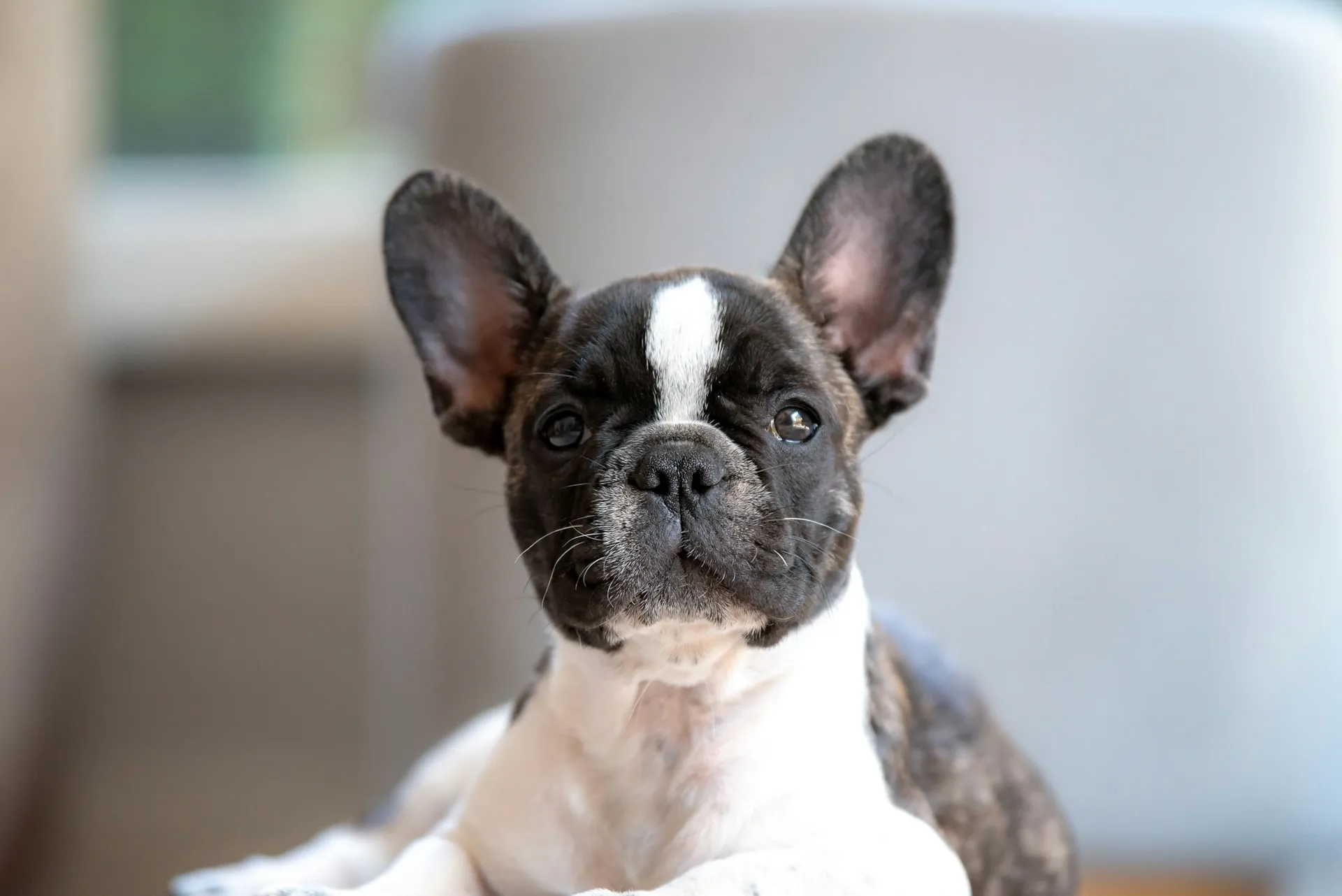
- Brachycephalic breeds with shorter snouts
- Senior pets
- Overweight animals
- Pets with underlying health conditions
These pets may need extra precautions during the summer months.
Cats and Indoor Pets
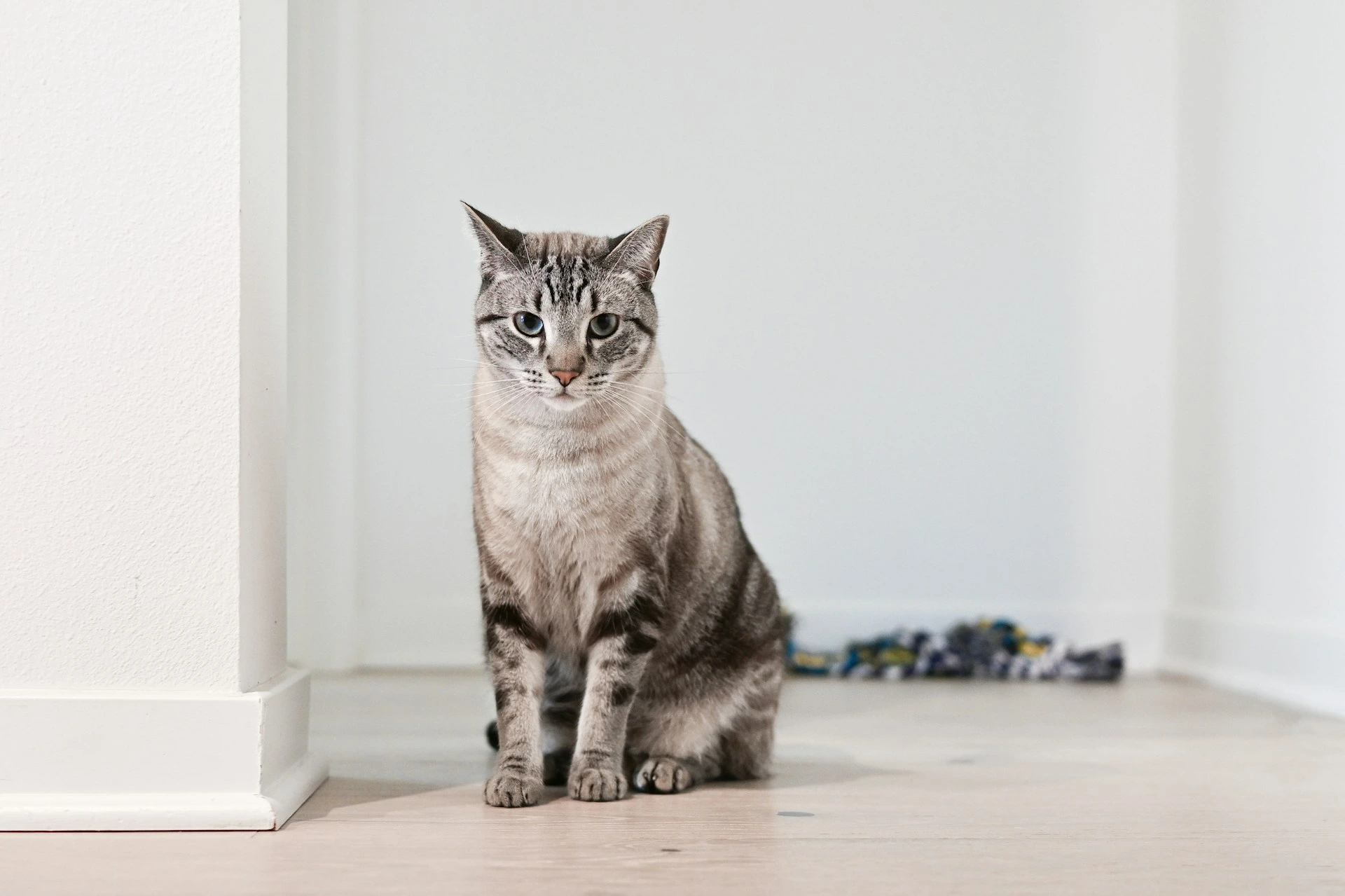
Even indoor cats can be affected by heat, especially if ventilation is limited. Your feline friend should have access to cool spaces and fresh water at all times.
Monitoring your pet’s behavior can help you identify signs of discomfort early.
Preventing Heatstroke in Pets
Preventing heatstroke in pets requires awareness and proactive care.
Key Prevention Strategies
To reduce the risk of heatstroke:
- Never leave pets in a parked car
- Limit outdoor exposure during peak heat
- Provide shade and hydration
- Watch for early warning signs
These strategies are essential for protecting your pet during the summer.
Responding to Heat Emergencies
If you suspect heatstroke, move your pet to a cooler area immediately and contact your veterinarian. Prompt action can make a significant difference in your pet’s recovery.
Las Vegas Pet Heat Risks: What You Should Know
Living in Las Vegas, NV presents unique challenges when it comes to pet care. The combination of high temperatures and dry conditions increases the risk of dehydration and heat-related illness.
Understanding Las Vegas pet heat risks allows you to take a more proactive approach to your pet’s care. Even routine activities such as walking or outdoor play require careful planning during the summer months.
By staying informed and adjusting your routine, you can help your pet stay safe and comfortable.
The Royal Veterinary College has an article on heatstroke in pets; you can read it here. Read more about heatstroke in pets at the American Animal Hospital Association website here.
FAQs About Summer Pet Care
What are the most important summer pet care tips?
Summer pet care tips include providing water, limiting heat exposure, offering shade, and monitoring for signs of heat stress.
How can I prevent heatstroke in my pet?
To prevent heatstroke in pets, avoid peak heat, keep your pet hydrated, and provide a cool environment.
Are some pets more sensitive to heat?
Yes, certain pets, such as senior animals, overweight pets, and breeds with short noses, are more sensitive to heat.
How hot is too hot for pets?
If temperatures feel uncomfortable for you, they are likely too hot for your pet. Surfaces like pavement can become dangerously hot even when the air temperature seems manageable.
What should I do if my pet shows signs of heatstroke?
Move your pet to a cooler area and contact your veterinarian immediately. Quick action is essential.
Visit Our Las Vegas, NV Veterinary Clinic for Summer Pet Care Support
Keeping your pet safe during the summer requires awareness, preparation, and the right support. At Aloha Animal Hospital, your trusted Las Vegas, NV animal hospital, we are here to help you navigate summer pet care tips with confidence. We proudly serve pets throughout Las Vegas, NV and Southwest Las Vegas, NV, offering guidance and care tailored to your pet’s needs.
If you are searching for a dependable vet near me, our experienced team is ready to assist you. Contact our veterinary clinic today to schedule an appointment and ensure your pet stays safe, healthy, and comfortable throughout the warmer months.
This blog is intended for informational purposes only. Always consult with your veterinarian for appropriate medical advice, diagnosis, and treatment plan for your pet.
Are you looking for a great veterinarian in Las Vegas or Southwest Las Vegas? Do you want to learn more about Aloha Animal Hospital? Visit our Service page for an overview of who we are and the services we provide. Our animal clinic offers a wide variety of services, including Exotic Pet Care, Acupuncture and Alternative Medicine, and Urgent Care, as well as standard veterinary services like Wellness and Vaccinations and Nutrition and Weight Management.
!Social Media Icons