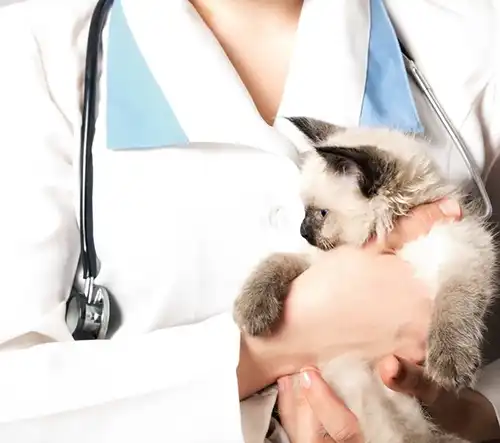


Did you know that pet wellness exams are one of the most important things you can do for your dog or cat? These annual visits are about more than just shots—they’re a complete picture of your furry friend’s health, habits, and risk factors. Whether your cat is content lounging in the sun or your dog is always ready for adventure, regular vet checkups help catch issues early, tailor care to their age and breed, and build a plan that keeps your pet thriving.
Why Annual Vet Visits Matter
It’s easy to think a visit to the vet is only necessary when your pet is sick. But by the time symptoms appear, many health problems are already advanced. Annual wellness exams give us a chance to spot red flags early—before they turn into expensive or irreversible issues.
For example:
- A routine heart check might detect an early murmur before heart disease progresses.
- Basic bloodwork could show kidney changes before symptoms appear.
- A dental exam might catch gingivitis before tooth loss or infection.
Pets age faster than humans. A lot can change in just a year. For senior pets or those with chronic conditions, exams every six months may be more appropriate.
What to Expect at a Pet Checkup
Wellness exams are designed to assess your pet’s overall health from nose to tail. Here’s what typically happens during your visit:
1. Full Physical Examination
We check:
- Eyes, ears, and nose for infection or irritation
- Mouth and teeth for plaque, tartar, or dental disease
- Skin and coat for signs of parasites, allergies, or infection
- Heart and lungs for abnormal sounds
- Abdomen for masses or discomfort
- Joints and muscles for stiffness or pain
- Weight and body condition
2. Medical History and Behavior Review
We’ll ask about:
- Eating and drinking habits
- Bathroom changes
- Activity level
- Mobility and behavior
Tell us about any changes at home, even if they seem minor. Even small things can be significant.
3. Preventive Care Updates
Depending on age and lifestyle, your pet may need:
- Core and non-core vaccinations
- Parasite prevention
- Routine deworming
- Microchip check
We’re also happy to offer advice on things like nutritional counseling, enrichment, and training.
4. Lab Work and Screening Tests
For many pets, we recommend:
- Fecal testing for parasites
- Heartworm testing
- Bloodwork to assess organ function and detect early disease
- Urinalysis to check kidney and urinary tract health
These tests help us catch problems like diabetes, kidney disease, or thyroid imbalances before your pet shows signs of illness.
Cat and Dog Health Screenings by Age
Puppies and Kittens
- Vaccines spaced over several visits
- Deworming and parasite control
- Spay/neuter consultation
- Microchipping
- Developmental checks
- Nutrition and behavior guidance
Adult Dogs and Cats (1–7 years)
- Annual exams and vaccines
- Weight monitoring
- Dental evaluations
- Preventive bloodwork
- Lifestyle and activity review
Senior Pets (7+ years)
- Exams every 6 months
- Comprehensive blood and urine testing
- Arthritis and mobility assessments
- Cognitive health checks
- Diet and medication adjustments
As pets age, early detection becomes even more important to ensure a high quality of life.
The Importance of Continuity of Care
When your pet visits the same veterinary clinic regularly, we get to know their normal—and that makes it easier to detect the abnormal. Subtle changes in weight, heart sounds, or coat condition can signal deeper issues, and because we’ve built a relationship, we can take action quickly and confidently.
Wellness visits also give us a chance to talk through your concerns, from behavioral quirks to new supplements, and keep you informed with up-to-date recommendations tailored to your pet’s unique lifestyle.
Importance of Annual Vet Visits for Indoor Pets
Even if your cat never sets paw outside or your dog spends most of his time indoors, annual exams are still essential. Indoor pets are not immune to disease. They can develop:
- Dental problems from dry food diets
- Diabetes from excess weight
- Arthritis from aging
- Cancer or organ disease unrelated to lifestyle
- Behavioral changes that indicate health shifts
Plus, parasites can enter homes via shoes, other pets, or windows. Fleas, ticks, and heartworms don’t care if your pet goes outside.
FAQs About Pet Wellness Exams
How often should my pet see the vet?
At least once a year for healthy adult pets. Puppies, kittens, seniors, and pets with medical needs should come more frequently.
Are exams really necessary if my pet seems fine?
Yes. Animals are experts at hiding pain and illness. Regular exams reveal what you can’t see.
Will my pet need vaccines every year?
Some vaccines are annual, others last longer. We’ll review your pet’s lifestyle and risks to determine the best schedule.
Is bloodwork always needed?
Blood tests help detect silent diseases. For pets over age 7, yearly screening is especially important.
Trust Aloha Animal Hospital in Southwest Las Vegas, NV With Your Pet’s Long-Term Health
Your dog or cat depends on you to make decisions that keep them safe and healthy. Routine pet wellness exams are one of the most powerful tools in preventive care. Looking for a great vet? Contact us, your Southwest Las Vegas, NV pet clinic, today!

!Social Media Icons