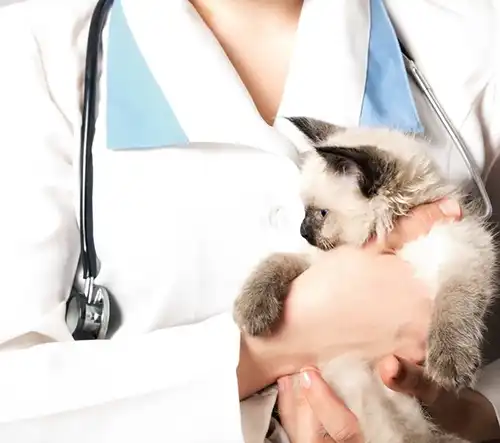


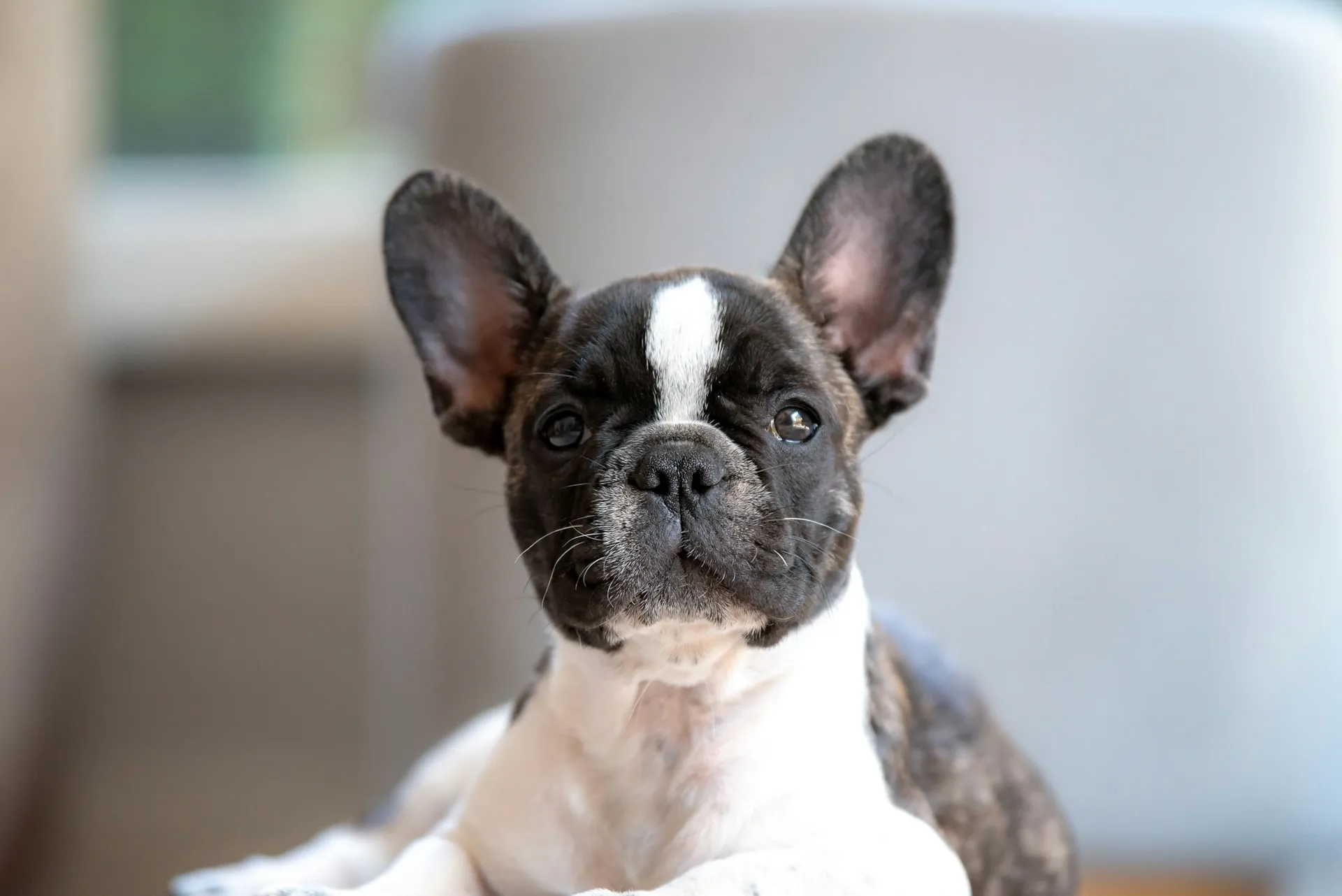
Bringing home a new puppy is an exciting milestone filled with joy, curiosity, and a fair share of questions. At Aloha Animal Hospital, your trusted Las Vegas, NV veterinary clinic, we help new pet owners navigate the early stages of life with confidence through a comprehensive puppy care guide tailored to your pup’s needs. Whether you are welcoming your first canine companion or adding another furry friend to your family, our veterinarians proudly serve pets throughout Las Vegas, NV and Southwest Las Vegas, NV with attentive, personalized care.
This puppy care guide is designed to walk you through the essentials of your pup’s first year, from health and nutrition to training and routine veterinary visits. Understanding first year puppy care tips, following a new puppy health checklist, and knowing how to care for a puppy properly can set the foundation for a lifetime of wellness. Establishing a consistent puppy vet visit schedule is also key to supporting your pet’s development and preventing potential health concerns.
What to Expect During Your Puppy’s First Year
Your puppy’s first year is a period of rapid growth and development. During this time, your pup will experience physical changes, behavioral milestones, and important learning opportunities.
Early on, your canine companion will rely on you for structure, comfort, and guidance. This is when habits begin to form, which is why consistency is so important. Establishing routines for feeding, sleep, and play helps your puppy feel secure and confident in their new environment.
You may also notice bursts of energy followed by long naps. This is completely normal, as growing puppies require plenty of rest to support their development.
Building a Strong New Puppy Health Checklist
A well-rounded new puppy health checklist helps you stay organized and proactive about your pet’s care. Taking the time to address these essentials early on can help prevent complications later.
Core Health Priorities
Your puppy’s health checklist should include:
- Vaccinations to protect against common illnesses
- Parasite prevention for fleas, ticks, and intestinal parasites
- Microchipping for identification and safety
- Nutritional planning for balanced growth
These steps form the foundation of your puppy’s well-being and should be discussed with your veterinarian during your initial visits.
Monitoring Growth and Development
Regularly observing your puppy’s growth is just as important as following a checklist. Pay attention to weight, energy levels, and behavior. If anything seems unusual, it is always best to consult your veterinary clinic.
Your veterinarian will guide you through each stage of development, adjusting care recommendations as your puppy grows.
Establishing a Puppy Vet Visit Schedule
A structured puppy vet visit schedule is essential during the first year. These visits allow your veterinarian to monitor your pup’s health, administer vaccines, and address any concerns early.
Typical Visit Timeline
Most puppies will visit the vet several times during their first few months. These appointments are spaced to align with vaccination schedules and developmental milestones.
During these visits, your veterinarian will perform physical exams, discuss nutrition, and provide guidance on training and behavior.
Why Early Veterinary Care Matters
Early veterinary care plays a significant role in preventing disease and supporting long-term health. It also gives you the opportunity to build a relationship with your vet, which can be invaluable as your puppy grows.
At Aloha Animal Hospital, we focus on creating a calm, positive experience so your pup feels comfortable during each visit.
Nutrition and Feeding Basics
Proper nutrition is one of the most important aspects of how to care for a puppy. Your pup’s diet directly impacts their growth, energy levels, and overall health.
Choosing the Right Diet
Puppies require a diet that is specifically formulated for growth. These diets provide the right balance of nutrients to support developing bones, muscles, and organs.
Your veterinarian can help you select a diet that aligns with your puppy’s breed, size, and lifestyle.
Feeding Routine and Portions
Establishing a consistent feeding schedule helps regulate your puppy’s digestion and behavior. Most puppies benefit from multiple small meals throughout the day.
As your pup grows, portion sizes and feeding frequency will gradually change. Regular check-ins with your veterinarian can help you adjust as needed.
Training and Socialization
Training is an essential part of your puppy’s first year. It not only shapes behavior but also strengthens the bond between you and your canine buddy.
Early Training Foundations
Basic commands such as Sit, Stay, and Come should be introduced early. Positive reinforcement techniques, including praise and rewards, tend to be the most effective.
Consistency and patience are key. Your puppy is learning about the world, and gentle guidance will help them develop confidence.
Socialization Matters
Exposing your puppy to new people, environments, and experiences helps reduce fear and anxiety later in life. Socialization should be gradual and positive, allowing your pup to feel safe while exploring.
This is an important part of first year puppy care tips that often gets overlooked but plays a significant role in long-term behavior.
Grooming and Daily Care
Routine grooming and daily care help keep your puppy comfortable and healthy. These habits also allow you to monitor your pet for any changes.
Grooming Basics
Depending on your puppy’s breed, grooming needs may vary. Regular brushing helps maintain a healthy coat and reduces shedding.
You should also become familiar with checking your puppy’s ears, teeth, and nails as part of their regular care routine.
Creating Healthy Habits
Introducing grooming early helps your puppy become comfortable with handling. This makes future vet visits and grooming appointments much easier.
These small daily routines contribute to your puppy’s overall well-being and strengthen your connection.
Common Challenges in the First Year
Every puppy owner faces challenges, and understanding what to expect can make them easier to manage.
Teething and Chewing
Puppies explore the world with their mouths, which often leads to chewing. Providing appropriate chew toys can help redirect this behavior.
House Training
House training requires patience and consistency. Establishing a routine and rewarding success can help your puppy learn more quickly.
Managing Energy Levels
Puppies have bursts of energy that can feel overwhelming at times. Regular play and exercise help channel that energy in a positive way.
Are you getting a puppy for the first time? Read this article by Veterinary Partners to learn everything you need to know! The Ohio State University has a great guide for new puppy behavior, which you can access here.
FAQs About Puppy Care
What is the most important part of a puppy care guide?
A good puppy care guide should focus on health, nutrition, training, and regular veterinary care. These are the basics of your buddy’s petucation! These elements work together to support your puppy’s growth and development.
How often should my puppy see the vet?
Your puppy vet visit schedule will include several visits during the first few months, followed by routine checkups as your puppy matures.
What should be on a new puppy health checklist?
A new puppy health checklist should include vaccinations, parasite prevention, proper nutrition, and identification such as microchipping.
How can I properly care for a puppy at home?
To care for a puppy, provide consistent routines, balanced nutrition, training, and a safe, comfortable environment. Regular veterinary visits are also essential.
When does a puppy become an adult dog?
Most dogs reach adulthood between one and two years of age, depending on their breed and size.
Schedule Your Puppy’s First Visit at Our Las Vegas, NV Veterinary Clinic
Your puppy’s first year sets the stage for a lifetime of health and happiness. At Aloha Animal Hospital, your trusted Las Vegas, NV pet clinic, we are here to guide you through every step of your puppy care journey. We proudly serve families throughout Las Vegas, NV and Southwest Las Vegas, NV, offering comprehensive care designed to support your pet’s growth and well-being.
If you are searching for a reliable vet near me, our experienced team is ready to help. Contact our veterinary clinic today to schedule your puppy’s first appointment and start building a strong foundation for your pet’s future.
This blog is intended for informational purposes only. Always consult with your veterinarian for the appropriate medical advice, diagnosis, and treatment plan for your pet.
Are you looking for a great veterinarian in Las Vegas or Southwest Las Vegas? Do you want to learn more about Aloha Animal Hospital? Visit our Service page for an overview of who we are and the services we provide. Our animal clinic offers a wide variety of services, including Exotic Pet Care, Acupuncture and Alternative Medicine, and Urgent Care, as well as standard veterinary services like Wellness and Vaccinations and Nutrition and Weight Management.
!Social Media Icons