
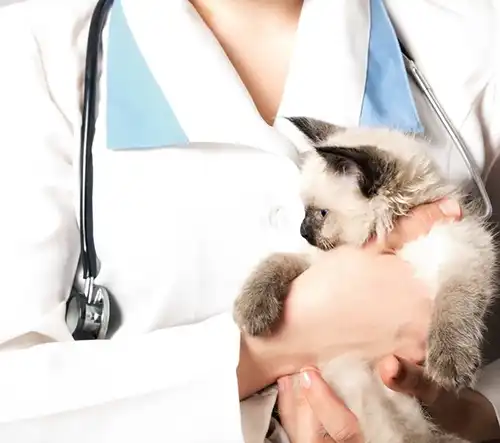


Have you noticed your cat acting differently lately and wondered what might be going on? Subtle shifts in behavior can be easy to overlook, but they are often your feline friend’s way of communicating that something is not quite right. At Aloha Animal Hospital, your trusted Las Vegas, NV veterinary clinic, we regularly help pet owners interpret cat behavior changes and determine when those changes require attention. Our veterinarians proudly serve pets throughout Las Vegas, NV and Southwest Las Vegas, NV with thoughtful, personalized care designed to support both physical and emotional well-being.
Cat behavior changes can range from minor adjustments in routine to more noticeable shifts in personality or habits. Understanding sudden behavior changes in cats, recognizing cat illness behavior signs, and knowing when to take a cat to the vet are all essential for responsible pet ownership. If you have ever asked yourself, “why is my cat acting different,” you are not alone. This guide will help you identify what is normal, what may signal a concern, and how to respond appropriately.
What Are Normal Cat Behavior Changes?
Cats are creatures of habit, but they are also sensitive to their environment. Some changes in behavior are perfectly normal and may be linked to age, routine, or surroundings.
Age-Related Changes
As your feline companion grows, you may notice gradual changes in activity level and behavior. Kittens tend to be energetic and playful, while adult cats often settle into more predictable routines. Senior cats may become less active and prefer quieter spaces.
These changes usually happen gradually and are not cause for concern when they follow a natural progression.
Environmental Influences
Cats are highly attuned to their surroundings. Even small changes, such as rearranging furniture or introducing a new pet, can affect behavior.
In a dynamic environment like Las Vegas, NV, external factors such as noise, visitors, or schedule changes can also influence how your cat behaves.
Sudden Behavior Changes in Cats: When to Pay Attention
While some changes are expected, sudden behavior changes in cats can signal underlying issues that should not be ignored.
Signs That May Indicate a Problem
Pay close attention if your feline friend:
- Suddenly hides more than usual
- Stops using the litter box consistently
- Becomes aggressive or unusually withdrawn
- Shows changes in eating or drinking habits
These shifts may be your cat’s way of expressing discomfort, stress, or illness.
Why Sudden Changes Matter
Unlike dogs, cats often hide signs of illness. This means that behavioral changes may be one of the earliest indicators that something is wrong.
Recognizing these changes early allows for timely intervention and better outcomes for your animal companion.
Common Reasons for Cat Behavior Changes
Understanding why your cat is acting differently can help you address the issue more effectively. There are several common factors that may contribute to these changes.
Stress and Anxiety
Cats can experience stress due to environmental changes, new pets, or disruptions in routine. This stress may lead to behaviors such as hiding, over-grooming, or vocalization.
Providing a stable environment and consistent routine can help reduce anxiety.
Medical Conditions
Many cat illness behavior signs are linked to underlying health issues. Pain, infections, and chronic conditions can all cause changes in behavior.
For example, a cat that suddenly avoids jumping may be experiencing joint discomfort. Changes in appetite or litter box habits may also indicate a medical concern.
Changes in Routine
Cats rely on consistency. Alterations in feeding times, household schedules, or daily interactions can lead to confusion and stress.
Even small disruptions can have a noticeable impact on your cat’s behavior.
How to Respond to Behavior Changes
When you notice cat behavior changes, your response plays an important role in helping your pet feel secure.
Observe and Document
Start by observing your cat’s behavior closely. Take note of when the changes began, how often they occur, and any potential triggers.
This information can be helpful when discussing concerns with your veterinarian.
Maintain a Calm Environment
Creating a calm and predictable environment can help your cat feel more comfortable. Provide quiet spaces, maintain routines, and minimize sudden changes whenever possible.
Your feline companion will benefit from a sense of stability and security.
When to Take Cat to the Vet
Knowing when to take a cat to the vet is essential when behavior changes occur. While some changes may resolve on their own, others require professional evaluation.
Warning Signs That Require Attention
You should contact your veterinary clinic if your cat:
- Shows persistent or worsening behavior changes
- Stops eating or drinking
- Exhibits signs of pain or discomfort
- Has changes in litter box habits
These symptoms may indicate underlying health issues that need to be addressed.
The Importance of Early Intervention
Early evaluation allows your veterinarian to identify potential problems before they become more serious. It also provides peace of mind, knowing that your pet is receiving appropriate care.
At Aloha Animal Hospital, we take a comprehensive approach to evaluating cat behavior changes, considering both medical and environmental factors.
Supporting Your Cat’s Emotional and Physical Health
Your cat’s behavior is closely linked to their overall well-being. By paying attention to changes and responding thoughtfully, you can help maintain their health and happiness.
Providing mental stimulation, maintaining routines, and scheduling regular veterinary visits all contribute to a balanced and fulfilling life for your feline friend.
Even small adjustments in your approach can make a meaningful difference in how your cat feels and behaves.
Tuft & Paw did an article on Fluffy’s body language here. The San Diego Humane Society has an article on shy cats here.
FAQs About Cat Behavior Changes
What are common cat behavior changes to watch for?
Common cat behavior changes include hiding, changes in appetite, litter box issues, and altered activity levels. These may be normal or may signal an underlying issue.
Why is my cat acting different all of a sudden?
Sudden behavior changes in cats can be caused by stress, environmental changes, or medical conditions. Identifying the cause is key to addressing the issue.
Are behavior changes a sign of illness in cats?
Yes, cat illness behavior signs often appear as changes in routine or personality. Cats tend to hide illness, so behavioral shifts may be an early indicator.
When should I take my cat to the vet?
You should see a veterinarian if behavior changes are sudden, persistent, or accompanied by physical symptoms such as loss of appetite or signs of discomfort.
How can I help my cat feel more comfortable?
Maintaining a consistent routine, providing a calm environment, and addressing stressors can help your cat feel more secure.
Visit Our Las Vegas, NV Veterinary Clinic for Expert Cat Care
If your cat is showing unusual behavior, it is always best to seek professional guidance. At Aloha Animal Hospital, your trusted Las Vegas, NV pet clinic, we are here to help you understand and address cat behavior changes with care and expertise. We proudly serve pets throughout Las Vegas, NV and Southwest Las Vegas, NV, offering personalized support for your pet’s health and well-being.
If you are searching for a dependable vet near me, our experienced team is ready to assist you. Contact our veterinary clinic today to schedule an appointment and ensure your feline companion receives the attention they deserve.
This blog is intended for informational purposes only. Always consult with your veterinarian for appropriate medical advice, diagnosis, and treatment plan for your pet.
Are you looking for a great veterinarian in Las Vegas or Southwest Las Vegas? Do you want to learn more about Aloha Animal Hospital? Visit our Service page for an overview of who we are and the services we provide. Our animal clinic offers a wide variety of services, including Exotic Pet Care, Acupuncture and Alternative Medicine, and Urgent Care, as well as standard veterinary services like Wellness and Vaccinations and Nutrition and Weight Management.

!Social Media Icons